"My Hero Academy", the best blood in ten years, is expected to be introduced to China.

My Academy of Heroes Bakugo Katsuki and Keijiro Chejima


1905 movie network news The first theatrical version of My Hero Academy () is expected to be introduced to the mainland. Since the film was released in Japan and the United States, it has won both word-of-mouth and box office. Seeing the shocking audio-visual effects of the hero on the big screen and the extremely impactful battle scenes have set off the expectations of fans.


My Hero Academy My Island

In the film, an artificial island has become a deadly arena for the confrontation between superheroes and evil forces. The first hero who came to the appointment "accidentally" ambushed here. In order to help him, Class A of Hero College fought together. Just as the righteous and evil factions were caught in a life-and-death melee, unexpected reversals appeared one after another.


Global best-selling masterpieces, comics and TV animations continue to dominate the list.


"My Hero Academy" originated from Japanese post-80s author Horue Gengping. Since it was serialized in March 2014, its popularity has been soaring, and it won the first place in "SUGOI JAPAN 2017" in one fell swoop, becoming the most representative Japanese animation work of the year. In 2018, the total sales volume of Japanese comics was defeated, ranking first in recent 10 years.


My Academy of Heroes, Todoroki Shoto

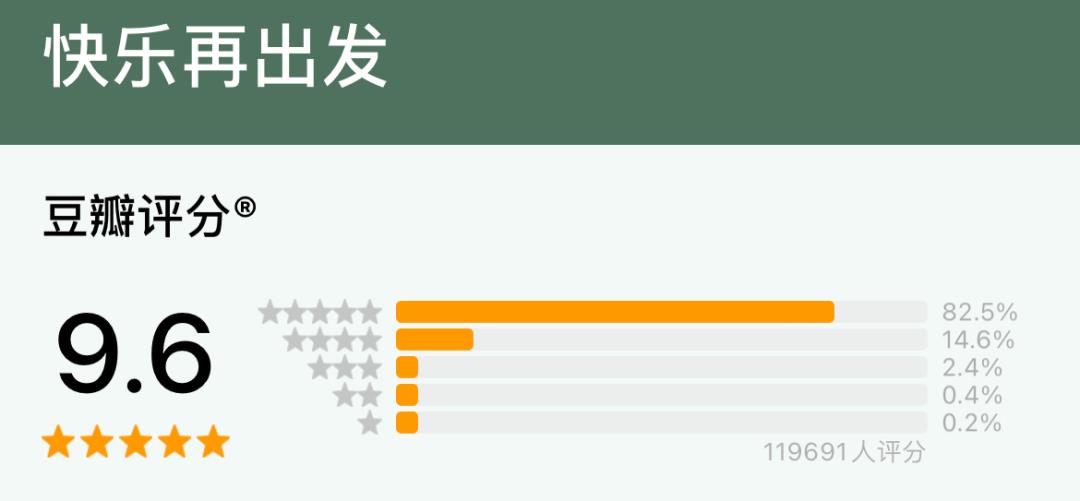
It is worth mentioning that the novel setting of beautiful style and charming painting make this work have a good strength to capture the hearts of young people around the world. TV animation, which is constantly updated, not only won seven awards of Crunchy Roll animation in the United States in 2017, but also proved its global influence with the bright data that bilibili has accumulated over 100 million broadcasts and Douban scored 9.3 points.


Next generation NO.1, carry the banner of juvenile JUMP sign


"Weekly Youth JUMP" has given birth to many best-selling comics, all from this magazine. My Hero Academy, as a popular masterpiece of its next generation, has succeeded many national romances with its sales volume and word of mouth, and stood firm as a new pillar. The author Horue Gengping was encouraged and affirmed by Kishimoto Masashi (author of Naruto) and Eiichiro Oda (author of One Piece). Among them, whether praised by ODA as "a hero writer with high popularity in the next generation" or encouraged by Kishimoto’s predecessors as "writing with the feeling of defeating pirates and Huo Ying", it has once again proved that My Hero Academy not only attracts worldwide attention, but also successfully attracts the attention of the boss-level idols in the industry and officially takes over the banner of the next generation’s signature masterpiece.


My Academy of Heroes, Midoriya Izuku

It is worth mentioning that since the theatrical animation of this department was shown worldwide, the response has been extremely enthusiastic. There are more than 1.2 million people watching in Japan alone, and the box office has broken the 1.6 billion yen mark. In North America, the box office ranks among the TOP15 Japanese animated films of all ages. Being able to achieve such a good result shows that not only the cartoon fans are supporting it, but also the passers-by fans who are not so interested in comics, and their awareness of Hero Academy is increasing at an alarming rate.


The theatrical version of My Hero Academy is expected to be introduced to China, and the strongest hero of the next generation will be the first to appear on the big screen, which is worth looking forward to.


Zhu Tian: Some misunderstandings about China’s GDP data.

[China’s GDP figures have been questioned by many parties. Zhu Tian, an economics professor at China Europe International Business School, wrote for Observer. He also agreed that China’s GDP growth rate may be overestimated. However, his research found that the growth rate of China’s per capita GDP and per capita disposable income in the past 30 years, whether using the data of independent scholars and institutions or his own estimation, far exceeded that of all developed countries and most developing countries. The article points out that the rapid growth of China is an economic mystery, which cannot be simply explained by factors such as digital fraud, low base, cheap labor, reform and opening up, and export-driven. This article is one of a series of articles written by Professor Zhu Tian on the mystery of China’s economic growth. Please look forward to the follow-up articles. 】

China is growing faster than any other country.
China’s economy has maintained a high growth rate for most years from 1978 to now, with the average annual GDP growth rate approaching 10% and the per capita GDP growth exceeding 9%, at least according to the official GDP figures. This rate is much higher than the economic growth rate of developed countries.

According to the data of the World Bank, in the thirty years from 1982 to 2012, the average annual growth rate of per capita GDP in developed countries (referring to high-income OECD countries) was 1.86%, while the average annual growth rate of per capita GDP in China was as high as 9.12%, as shown in Table 1. Unless otherwise specified, the growth rate mentioned in this article refers to the actual growth rate after removing inflation factors. )

China’s economic growth faster than that of developed countries generally doesn’t make people feel great. Most readers will say that this is because of the low starting point of China’s economy or the low base of per capita GDP. Economists call this the catching-up effect.

International Comparison of Economic Growth in the Thirty Years from 1982 to 2012

However, do low-income countries have faster economic growth than high-income countries? That was not the case. As can be seen from Table 1, during the thirty years from 1982 to 2012, the average annual growth rate of per capita GDP in low-income developing countries was only 1.38%, which was lower than that in developed countries. The average annual growth rate of middle-income developing countries is only 3.08%, which is much lower than that of China.

As can also be seen from Figure 1, the economic growth rate of a country in the past 30 years has no obvious relationship with the initial level of economic development (measured by per capita GDP). In fact, apart from Equatorial Guinea, a small African country, which became rich rapidly due to the discovery of a large amount of oil in the mid-1990s, China’s economic growth rate was the fastest in the world in the past 30 years, which was 3 percentage points faster than Bhutan, the second fastest growing country, and twice as fast as India.

In other words, China’s economic growth is far faster than that of developed countries and almost all other developing countries, which is amazing!

Annual compound growth rate of per capita GDP of countries in the world during the 30 years from 1982 to 2012.

China’s economic growth in the past 30 years is unanimously regarded as the result of reform and opening up. Although the reform and opening up can be used to explain why China’s economic growth after 1978 is much faster than that before 1978, it cannot explain why China’s economic growth is much faster than that of other developing countries.

In fact, most developing countries carried out market-oriented economic reforms in the 1980s and 1990s. Table 1 also shows that the overall growth rate of developing countries has indeed accelerated in the past two decades, especially in the last decade, the economic growth rate of both low-income and middle-income developing countries has greatly exceeded that of developed countries. But compared with China, it is still a drop in the bucket. Therefore, the rapid growth of China cannot be explained simply by reform and opening up.

Gross GDP may be underestimated.

Is it possible that China’s economy is growing so fast because the growth rate is greatly overestimated by official data? It seems that China’s GDP statistics are full of water, but the problem is not so simple. It is not the same thing that the total GDP has water and the GDP growth rate has water, and the most critical question is how big the water is.

More than a decade ago, a famous American economic expert in China, Roskey, wrote an article questioning China’s GDP data in 1998, pointing out that the official economic growth rate of that year did not match the changes in power generation, which caused great repercussions. In fact, when Premier Li Keqiang was secretary of the provincial party committee in Liaoning, he didn’t believe in the official GDP, but believed in the figures of power generation, railway freight volume and bank loans. The British "Economist" magazine also created a so-called "Keqiang Index" with these three indicators to reflect the macroeconomic changes in China.

As we all know, until recently, China’s GDP figures were an important indicator for evaluating cadres, and local officials had a great incentive to falsely report GDP. The sum of local GDP of all provinces and cities was greater than the national GDP figures published by the National Bureau of Statistics. Therefore, China’s GDP data is almost certainly inaccurate, at least compared with developed countries with more perfect statistical systems.

Although the GDP data may be artificially exaggerated, on the other hand, China’s GDP may also be underestimated by official statistical methods. For example, Professor Wu Xiaoying, a Japanese hitotsubashi university, pointed out more than ten years ago that due to the insufficient coverage of China’s GDP accounting, GDP may be underestimated by at least 10%. Indeed, the added value of China’s service industry has been underestimated for a long time, so that after the first national economic census in 2004, the National Bureau of Statistics raised the GDP of that year by 16.8%, and more than 90% of the extra part was due to raising the added value of the tertiary industry.

Even so, with the development of modern service industry, the added value of the tertiary industry in China still exists the possibility of underestimation. A 2009 report by Asia Research Department of Morgan Stanley (written by Wang Qing and Zhang Jun) pointed out that the official service industry data is too low because the official data underestimates the actual housing consumption and personal medical expenditure. My research with Professor Zhang Jun of Fudan University also shows that the virtual rent of residents’ own houses, as a part of GDP, is greatly underestimated in the official statistics of China, and the underestimated value may account for 4%-5% of the official GDP.

China’s GDP may be underestimated, but China’s GDP growth rate is probably overestimated. There are two reasons for overestimation. The first is that the inflation rate is underestimated, so the actual growth rate calculated from the nominal GDP growth rate will be overestimated. The second is that the GDP in the early days of reform and opening up may have been underestimated, because there was no concept of GDP in China at that time, and the GDP of the year now announced is the result of later estimation; The underestimation of GDP level more than 30 years ago has exaggerated the growth rate of GDP for more than 30 years.

Independent data show that GDP growth rate may be overestimated by 2-3%.

So how much is China’s GDP growth rate overestimated? According to the estimation of Professor Wu Xiaoying and the late Professor Angus Maddison, the annual GDP growth rate of China from 1978 to 2003 was 7.85%, instead of the official 9.59%. Their research has also influenced the processing of China’s GDP data by Penn World Table, which is widely used in academic circles, and this table has lowered the economic growth rate of China.

The Penn World Table was originally compiled by the International Comparison of Prices Program of the University of Pennsylvania according to the survey results of commodity prices in various countries, and now it is a database for comparing real GDP between countries, which is jointly established by scholars from the University of Pennsylvania, University of California, Davis and university of groningen, the Netherlands. The latest version of the data is PWT 8.0.

International Comparison of Economic Growth Rate Based on Madison Data in the Thirty Years from 1980 to 2010

Table 2 compares the economic growth rates of China and some countries and regions from 1980 to 2010, which are calculated according to Madison’s data. Table 3 shows the economic growth rates of China and some countries calculated according to the data of Madison and Penn World Table respectively. It can be seen that the GDP growth rate of China per capita given by these two sets of data is 2-3% lower than the official result. If we believe that these two sets of data are more credible than the official data, we can still see that China’s economic growth rate is still among the best in the past three decades, far faster than the world average.

International Comparison of Economic Growth Rate Based on Madison and Penn World Tables in the Thirty Years from 1980 to 2010

Engel’s coefficient calculates the growth rate

Whether in theory or in practice, official GDP and price index data are likely to be falsified, but residents’ consumption structure data is unlikely to be falsified. Below I will use a new method, that is, through the change of residents’ consumption structure to calculate the speed of China’s economic growth.

Generally speaking, with the improvement of a family’s income level, the proportion of food expenditure to total consumption expenditure will decrease. This ratio is called Engel’s coefficient, and this law is called Engel’s law, which was discovered by German statistician Ernst Engle, 1821-1896) in the 19th century. Engel’s law also applies to the national level, that is to say, the proportion of food expenditure of a country’s residents in the total consumption expenditure will also decrease with the increase of per capita income.


In a study published in 2011, Professor Ancher of the University of Massachusetts in the United States collected Engel coefficients of 207 countries and regions in the world. He divided these countries and regions into 10 groups with the same number of countries from low to high according to the per capita GDP (constant price dollars in 2005) published by the World Bank, and then calculated the Engel of about 20 countries (or regions) in each group. Ancher did not give the per capita GDP range of ten groups in his paper. I added these ten groups of figures in the third column of Table 5, using the per capita GDP data of the World Bank in 1998. The data of 1998 is chosen because the years of Engel coefficient and GDP data used in Ancher are different, and the median year is 1998. Because the constant price of the US dollar is used as the income unit, the choice of which year’s data should not have much influence on the results.

Per capita GDP and Engel coefficient

In principle, we can calculate Engel’s coefficient of China from household survey data. In order to facilitate cross-country comparison, the food expenditure of residents in the Engel coefficient defined by Ancher does not include the cost of tobacco, alcohol and dining out; China’s food expenditure includes these three items.

But from the official statistics, we don’t know what these three consumption expenditures were before 1992; After 1992, we only know the consumption data of these three items in the food expenditure of urban residents, but there is no data of rural households. Therefore, we can only calculate the Engel’s coefficient of China’s expenditure excluding alcohol, tobacco and eating out since 1992: 43% in 1992 and 25% in 2012.

Compared with the results in Table 4, the Engel coefficient of urban residents’ consumption in China in 1992 was between the third and fourth income groups, and the corresponding per capita GDP level was about 30% of the country’s, which was about 1040 dollars. In 2012, the coefficient was between the seventh and eighth subgroups, and the corresponding per capita GDP level was about 70% and 30%, which was about 7,400 US dollars.

According to Engel’s coefficient, the per capita GDP of cities and towns in China has increased by about 6 times from 1992 to 2012, with an average annual growth rate of about 10%, which is obviously a very fast speed. Because the income growth of rural residents in China is slower than that of urban residents (about 1 percentage point slower every year), the growth rate of per capita GDP in China is slightly lower than 10%. Of course, because the relationship between Engel’s coefficient and GDP per capita in various countries is not completely constant, there is a one-to-one correspondence. Therefore, the result obtained by using the change of Engel’s coefficient to infer China’s economic growth rate is not very accurate, and it can only be used as a reference when there is no confidence in official figures. Nevertheless, in the past 20 years, China’s Engel coefficient has dropped rapidly, which is equivalent to the level of middle and high income countries. We have reason to believe that China’s economic growth in the past 20 years must be very fast.

Residents’ income is underestimated.

So far, it should be an indisputable fact that China’s GDP has grown rapidly in the past 30 years, but GDP is only an indicator of economic growth, and the growth of ordinary people’s income is an economic indicator that can better reflect people’s living standards. Next, I will use the changes of per capita disposable income (including the net income of rural residents) in household surveys to see the economic growth rate of China. Because the income and expenditure of household survey are not part of the performance appraisal, it is less likely to be artificially exaggerated.

In fact, some studies show that the residents’ income in China may be greatly underestimated, which is more influential than that of scholar Wang Xiaolu. Although the income data of household survey may be underestimated in absolute value, as long as the degree of underestimation does not change much from year to year, the growth rate of household income calculated on this basis will be overestimated or underestimated to a lesser extent. In fact, the income distribution in China is very uneven now, and the proportion of high-income families in household surveys is low, so the underestimation of household income obtained from household surveys may be more serious; More than 30 years ago, the income distribution was relatively equal, and there were almost no high-income people. Therefore, the household sample survey at that time should be more representative than now, and the degree of income underestimation should be lower. Therefore, the real income growth rate is likely to be higher than that calculated from household survey data.

Table 5 shows that from 1982 to 2012, the per capita disposable income in China increased by 50 times in nominal terms, with a compound annual growth rate of 14.01%. However, the consumer price index increased by 5.56% every year during the same period, so the actual growth rate after excluding the price increase factor was 8.45%, slightly lower than the per capita GDP growth rate of 9.12% in the same period.

Of course, the inflation rate in China may be underestimated, so the real income growth may not be as high as 8.45%. In order to avoid using China’s official inflation rate, I first converted RMB income into income in US dollars by using the official exchange rate, and calculated that the per capita disposable income of China in 2012 was US$ 2,640.63, which was 13.63 times that of US$ 193.71 in 1982, so the compound annual growth rate was 9.1%.

That is to say, the income of China residents has increased by 9.1% every year in dollar terms. In the same period, the compound annual growth rate of disposable income of American families was only 3.14%, which was nearly 6% lower than that of China. During this period, the inflation rate of the US dollar was 2.93%, so the annual growth rate of the per capita income of China residents was 6.17%, while that of the United States was 0.21%.

Because China’s RMB exchange rate in 1982 was overvalued, and the RMB exchange rate in 2012 was generally considered undervalued, the growth rate of China residents’ income calculated by the official exchange rate also underestimated the real growth. In addition, according to the RMB exchange rate adjusted by purchasing power parity used by the World Bank, China’s per capita income in 1982 was US$ 200, and in 2012 it reached US$ 4,003, a 20-fold increase, with a compound annual growth rate of 10.5%, and a growth rate of 7.57% after excluding the dollar inflation factor.

Therefore, no matter what data are used, China’s economic growth rate in the past 30 years is second to none in the world. But it should be pointed out that the income growth we are talking about here is an average concept. Because the inequality of income distribution in China has risen rapidly in the past 30 years, from a country with the most equal income distribution to a country with very unequal income distribution, the income growth rate of low-income groups may be far less than the average growth rate.

The growth rate of per capita disposable income of China residents

The rapid growth of China is a mystery.

The growth rate of China’s economy in the past 30 years may not reach 10% per year, and the GDP figures and growth rate in any year are not necessarily reliable. However, from a long-term perspective, the average annual growth rate of China’s economy is still quite fast, faster than almost all countries in the world, and there should be no doubt about this fact.

It is not surprising that China’s economic growth is faster than that of developed countries. After all, the base of China’s economy was originally very low. Although it has grown for so many years, it is still very backward compared with developed countries. But why can China achieve high-speed growth for many years, while most developing countries have slow growth in the same period? This is an important economic mystery that needs to be studied.

There are many superficial explanations about China’s rapid growth. For example, some people say that China’s growth is due to a large number of cheap labor, but all low-income countries have cheap labor, but no country is growing as fast as China.

For another example, the media often see that China’s rapid growth is driven by exports. If exports can drive growth, then developing countries — — Especially small countries — — All countries can achieve rapid growth through exports, and there are not so many backward countries in the world long ago. In fact, as a part of demand, export is not the driving force of long-term economic growth.

The proportion of a country’s exports in the economy depends on many factors and has no direct relationship with the economic growth rate. Although the total export volume of China has ranked first in the world, it does not mean that China’s economy is also the most dependent on exports. The size of China’s economy itself is very large, so it is not surprising that there are many absolute exports. For example, the total export volume of China is only 3.5 times that of South Korea, but the total economic volume of China is 7.3 times that of South Korea, so the dependence of South Korea’s economy on exports is much higher than that of China.

If the dependence of a country’s economy on exports is measured by the proportion of exports to GDP, China’s in 2012 was only 27%, far below the world average. Compared with other countries, China is just an ordinary exporter, and it is not more dependent on exports than other developing countries such as India, Mexico and Turkey. China’s export share is much higher than that of the United States and Japan, but as the two largest developed economies, the export share of the United States and Japan is the lowest in the world. As the domestic added value of China’s total exports is much lower than that of the United States and Japan, if measured by domestic added value, the proportion of China’s export added value in GDP is not much different from that of the United States and Japan.

China is not the first economy in history that has maintained rapid growth for more than 30 years (the per capita GDP has increased by more than 6% annually). Japan, the Four Little Dragons in East Asia and Botswana in Africa have all achieved this. Except Botswana, the top five countries and regions have successively joined the ranks of developed economies. Therefore, China’s growth mystery can also be said to be part of East Asia’s growth mystery.

Will China become a developed country in the foreseeable future, just like Japan and the Four Little Dragons of East Asia? This is a question that needs another article to answer. If you explain the mystery of China’s growth as Chinese’s hard work, Chinese’s cleverness, 5,000-year civilization, reform and opening up and even effective government and national stability, then you should be optimistic about the future of China, because these factors should not change much in the foreseeable future. However, the facts are often much more complicated than these!

The development of rural industrial integration needs "four-chain reconstruction"

  Authors: Gao Qijie, Director and Professor of Promotion and Innovation Research Center of College of Humanities and Development of China Agricultural University, and Yang Rui, Ph.D. student of College of Humanities and Development of China Agricultural University.

  The Central Rural Work Conference was held in Beijing from December 28th to 29th. At the meeting, General Secretary of the Supreme Leader emphasized that "from the overall perspective of the great rejuvenation strategy of the Chinese nation, the nation must be rejuvenated and the countryside must be revitalized". It is a long-term task to implement the rural revitalization strategy. Under the new development pattern, the integrated development of rural industries needs to seek breakthroughs and innovations in many aspects, and it is very important to put ideas first. Therefore, rural industrial integration should be based on the advantages of local characteristic resource endowments, correctly understand and respect the laws of agricultural and rural development, promote the "four-chain reconstruction" of industrial chain, value chain, supply chain and interest chain through vertical extension of agricultural industrial chain and horizontal expansion of agricultural functions, realize internalization of external effects, reduce transaction costs, and improve the quality and competitiveness of radiation belt power and industrial development.

  Extend the industrial chain and promote the upgrading of all links.

  In recent years, all localities have actively explored and practiced, and the development of rural industrial integration has shown a good trend, but there are still some inevitable problems. Many people unilaterally think that rural industrial integration is the integration of agricultural products production, processing and sales services, and they lack sufficient understanding and understanding of the economic, cultural, social and ecological functions of agriculture, so the degree of development of various functions of agriculture is not high. In the process of rural industrial integration, there is a lack of market-oriented and influential agricultural products development and brand building, which limits the industrial integration, especially the integration of processing industry and rural tourism. In the future, it is necessary to promote the vertical extension and horizontal function expansion of the industry.

  First, we must promote the vertical extension of industrial development.Rural industrial integration should respect the laws of rural development and agricultural production, aim at consumer demand, and steadily develop basic industries such as agriculture, forestry, animal husbandry and fishery. On this basis, we will extend the rural industrial chain, develop industries with market demand and local advantages such as food processing, textile processing, biomaterials and clean energy, open up the production end, circulation end and consumption end of the industrial chain, drive industrial adjustment and upgrading, enable farmers to share non-agricultural income nearby, fully mobilize farmers’ initiative, enthusiasm and creativity, and guide farmers to actively participate in modern agricultural production and improve rural labor productivity.

  Second, we must promote the horizontal functional expansion of the industry.By aggregating resource elements, we will expand the multiple functions of agriculture, develop "internet plus Modern Agriculture" and green eco-cycle agriculture, promote the integrated development of agriculture, tourism, culture, education and other industries, actively cultivate new formats such as cultural tourism, recreation and special folk customs, stimulate the endogenous development momentum of rural industries, and broaden the channels for increasing agricultural income and efficiency. For example, by activating village resources and village culture, we can promote the development of "agricultural tourism, cultural tourism and business tourism", make the countryside a place suitable for living and traveling, fully integrate "agricultural products entering the city and citizens going to the countryside", effectively expand the consumption market of villagers’ lodging and farmhouse catering, and create more economic benefits.

  Enhance the value chain and realize the appreciation of the whole chain.

  At present, a series of activities such as production, processing and sales are still relatively lacking in integration and interaction with external technologies and resources. At the same time, the connection between upstream and downstream is not flexible and dynamic, and the added value of products is low, so it is easy to ignore the analysis and satisfaction of customers’ potential needs. Therefore, it is necessary to promote technological innovation in the whole chain and product innovation in all links, accelerate the upgrading of equipment, processes and products, achieve high quality in the whole process and upgrade the whole chain, and give full play to the "multiplier effect" of rural industrial integration.

  First, we must promote technological innovation in the whole chain.The popularization and application of emerging technologies have strong externalities and spillover effects, which are helpful to promote the optimal allocation of production factors and the transformation of production methods, and realize the intensification, informationization and intelligence of production. On the one hand, we should strengthen agricultural technology research and development. Promote the application of modern information technologies such as Internet of Things and cloud computing in the whole industrial chain, improve the level of integration and interaction between agricultural technology research and development and agricultural production, food processing, biomaterials and other industries, meet the diversified needs of the market, and comprehensively upgrade the value chain. On the other hand, we should attach importance to agricultural technology popularization. Deepen the reform of agricultural technology extension system, adhere to demand-oriented agricultural technology extension, provide agricultural technology services with strong applicability and high matching for different departments and diversified agricultural business entities, accelerate the spread and diffusion of technology in the whole agricultural industry chain, improve the adoption rate of agricultural technology, and promote the transformation of agricultural technology into efficient practical productivity.

  Second, we must promote product innovation in all aspects.Carry out the activities of "improving quality and increasing efficiency" of agricultural products, dig deep into the diversified value of agriculture, and promote the synergy and simultaneous appreciation of the primary, secondary and tertiary industries. First of all, solve the problems of "what to plant" and "what to raise". Guided by market demand, improve the planting structure, enrich the varieties, build a standardized system of agricultural production, strictly standardize the production process, ensure the quality and safety of agricultural products, and increase the production of high-quality agricultural products that are in short supply in the market and marketable. Secondly, solve the problem of "what to process". It is necessary to promote the deep processing of agricultural products, carry out grading packaging and grading pricing, standardize storage, extend storage time, reduce storage losses, and maximize the added value of agricultural products. Finally, solve the problem of "what to sell". Rural industries should build high-quality characteristic agricultural products brands in a planned and phased manner and sell safe and high-quality agricultural products.

  Optimize the supply chain to meet the demand of product supply and marketing

  Rural industries are mostly located in remote areas, with high logistics costs, and agricultural products are faced with the dilemma of "the fragrance of wine is also afraid of the depth of the alley". Therefore, rural industrial integration urgently needs to open up the supply and demand chain, expand sales channels, save circulation costs, and achieve effective docking of production and marketing.

  First, we must improve infrastructure and improve the comprehensive supporting service system.First of all, efforts should be made to improve the rural transportation network. "All roads lead to prosperity", it is necessary to build rural transportation facilities, smooth the circulation and sales channels of agricultural products, and promote the transformation of resource advantages into competitive advantages. Secondly, promote the logistics construction project of "cold chain storage", speed up the cold chain facilities and standardization construction of agricultural products and food, effectively solve the problems of product preservation and storage, and reduce transportation costs and process losses. Thirdly, improve the rural logistics service system, promote strategic cooperation with logistics enterprises, constantly promote the improvement of comprehensive service systems such as warehousing and transportation in various places, solve the problems of high logistics cost and slow delivery speed, and realize the "smooth flow of goods" of products.

  Second, we must connect production and marketing resources and build digital sales channels.In the process of rural industrial integration, we should rely on the enterprise platform and integrate local enterprises, cooperatives and other resources to explore the formation of an agricultural supply chain system that integrates the production, processing and circulation of agricultural products into one. At the same time, accelerate the construction of agricultural supply chain information platform, deepen the application of big data in agricultural production and operation, share information such as policies, markets and finance, effectively open up supply and marketing information channels, create online and offline sales channels for agricultural products, and promote agricultural products to accurately connect with the vast consumer market.

  Improve the interest chain and realize the sharing of development achievements.

  At present, the construction of interest linkage mechanism of rural industrial integration needs to be strengthened. There are differences in the ability of farmers, farmers’ professional cooperatives and leading enterprises to obtain information and win policy support, and the distribution model of rights, responsibilities and benefits is not clear enough. General Secretary of the Supreme Leader pointed out that it is necessary to accelerate the development of rural industries, conform to the law of industrial development, base on local characteristic resources, promote the development and growth of rural industries, optimize the industrial layout, improve the interest linkage mechanism, and let farmers share more value-added benefits of industries. Therefore, it is necessary to build an effective interest linkage mechanism, stimulate the vitality of multiple subjects, and form a development pattern of complementary advantages and risk sharing.

  First, we must build a multi-form interest linkage mechanism.Rural industrial integration should deepen the understanding of interest linkage mechanism, pay attention to the demands and needs of multiple subjects, and let all subjects share the value-added benefits of the whole industrial chain. First of all, we should innovate the interest linkage mechanism of "order agriculture". Encourage leading enterprises, e-commerce companies and other industrial and commercial capitals to sign agricultural products purchase and sale contracts with farmers and farmers’ professional cooperatives, transform rural development formats with big data, improve the scale and organization level of agricultural products supply, enhance the sustainable supply capacity of agricultural products, increase the return of profits, and maintain stable cooperative relations. Secondly, encourage the development of joint-stock cooperative interest linkage mechanism. We will carry out voluntary participation of farmers in land management rights and idle farm houses to develop agricultural industrialization, promote various forms of joint-stock cooperation among farmers, farmers’ cooperatives, village collectives and leading enterprises, and promote "guaranteed income+dividend by shares" to tilt the income distribution ratio to farmers.

  Second, we must stimulate the vitality of multiple subjects.For farmers, it is necessary to let farmers create and share the value-added benefits of industrial chain and value chain more directly, protect their legitimate rights and interests, and reduce their insecurity caused by "fear of loss". For industrial and commercial enterprises, it is necessary to improve their expected benefits, smooth the channels of information disclosure, reduce the uncertainty caused by "information asymmetry", improve their enthusiasm for investment, and give full play to their leading role in technology, information and management. For grass-roots governments, efforts should be made in "soft power" to create an efficient and clean political ecology, maintain a fair market environment, mobilize the enthusiasm of administrative personnel, play the role of organizer, coordinator and server, and give full play to its role as a link between farmers and industrial and commercial enterprises. In addition, government departments should communicate and coordinate effectively, form a joint force, promote the formation of a joint management and interactive co-construction mechanism, better guide the integrated development of rural industries, and achieve agricultural efficiency and farmers’ income.

Xiaogang Feng returned with a new drama, but there are topics that are difficult to be innovative.

Journal on July 19, 2021Total no.2360

After a lapse of 25 years, Xiaogang Feng directed a TV series again. The last time I was a TV director was a short play in 1997The back of the moon. Later, after the movie "Party A and Party B" directed by him became a hit, Xiaogang Feng withdrew from the TV drama circle.

This return, the outside world has great expectations for it. What people didn’t expect was that Xiaogang Feng chose oneOnline drama with female themeAs a return work, when it was published at that time, "North Road South" attracted high discussion voices in the industry, and the public also expected Xiaogang Feng to make new innovations in the content of female themes.

When the drama was finished, Feng Dao announced in Weibo that the drama:If you don’t agree at all, you won’t agree.. Not only Wang Luodan, Gina, Lyric, Han Geng and other popular actors sat in the town, but also Liu Xiaoqing was invited to make a special appearance, and Song Dandan, Bo Huang and other movie stars made guest appearances. Such a big coffee lineup with the theme of "women’s growth" has made many people look forward to this drama at the beginning of the broadcast. Just looking forward to it, but after the real broadcast, the word of mouth was "opposite" to expectations. Many viewers commented on the drama the most."suspension"More viewers compare it toMiddle-aged version of "Tiny Times".

Women’s growth depends entirely on dog blood.

In recent years, film and television works with the theme of "Urban Women’s Growth" have emerged in an endless stream, which is largely due to the improvement of women’s social status. Female drama is a microcosm of women’s growth, so it has attracted more attention. Most female dramas are based onBeijing, Shanghai, GuangzhouAs a background city, this drama "North Road South" is no exception, which focuses on the career, emotion and life of five women in Beijing. At first glance, it tastes a bit like Ode to Joy, but the life of five people is much more dreamy than Ode to Joy.

The first isDai XiaoyuAfter graduating from graduate school in Norway, I never worked. At the age of 30, I was eager to get married, only to find that my boyfriend not only didn’t divorce, but also made a will that had nothing to do with himself to his ex-wife and children. Angry, she wasted her five years of youth after scolding her boyfriend, and made herself the most annoying mistress. After that, she broke up freely and went back to Beijing to take refuge in her grandmother and sister with only 50,000 euros left on her card. She had no goal and no ideal. After returning to China, just like living abroad, she slept in the sun for three hours every day, had an unexpected dinner, and impressed her boss with her eloquence, earning 20,000 yuan that night.

Bao XueDai Xiaoyu’s cousin, an 18th-line actress who graduated from Chinese opera, is still a walk-on at the age of 25. She is lively and cheerful. When she has no guest appearances, she goes to the villa to see her grandmother during the day and drives her car back to her home in the hutong at night, without the sadness and hardship of the 18th-line actress. The sadness and experience of the leading role of a walk-on in Stephen Chow’s "king of comedy" can make people resonate, which is a true and touching presentation of the young actor’s mental journey. Obviously, Bao Xue in "North Road South" has excellent capital to pursue her dreams, which is far from the real eighteen-line actors in the eyes of the audience.

YoushanHer experience is even more dreamy. She dropped out of school in her sophomore year to get married and give birth to a child. She was looked down upon by her husband’s family without income, and finally she couldn’t stand the life of being dependent on others. After a few years of divorce, she became the boss of an investment company. It is also because of her that these five women who meet by chance can become friends. Imagine a workplace white, relying on their own efforts, a few years to achieve the worth of hundreds of millions of investment company boss, which is obviously too divorced from reality.Feng XiI graduated from a vocational college. My boyfriend came to Beijing to study as a postdoctoral fellow. After coming to Beijing, I stayed with my relatives who went abroad. After three years without a stable job, I saved 300,000 yuan in savings. My boyfriend who has been in love for ten years has to go to Germany for further study. She didn’t mention marriage, and she was not in all plans, but she can still take good care of him.

Compared with the previous ones, housewivesSimengSimeng graduated from the Chinese Department of Beijing Normal University, and just got married and had children. Her husband worked hard to become a partner in an accounting firm, and after having two children, she taught her children at home. Being good at writing novels, she wanted to have her own job, but every time her husband refused because her children were left unattended and her aunt couldn’t take good care of them, so she had to write small articles in her spare time to make herself feel alive.

From the perspective of people’s design, the five people do have different lives and different personalities, occupations and growth backgrounds, but all they present in the play areExquisite and carefree image of "petty bourgeoisie"Too far away from the lives of ordinary people. Especially you Shanshan, as a businessman, she has two unrealistic characteristics: one is very idle, eating and chatting with people all day long, and there is no actual work description; Second, she was too enthusiastic. The 30 million yuan she lent to a friend said no after something happened to her friend. She didn’t know Bao Xue, Dai Xiaoyu and Si Meng very well. She could send an expensive washing machine to Feng Xi who had just met twice, and even if Bao Xue said she had no money, she would rather lend her money than pull her to open a restaurant together. This is simply a god of wealth. In addition, grandma who plays mahjong in a big villa, Bao Xue, an eighteen-line actor who lives in a quadrangle, and even Feng Xi, who describes ordinary people drifting north at the bottom, have no roots in life.

The problem with "North Road South" is not that the women in the play are particularly rich, live in villas and luxury houses, and go in and out of high-end clubs. The main problem is thatThe life of rich women written by screenwriters is too "casual", while the real bottom girls are too stress-free.If you want to film the happy life of the rich, you can refer to Tiny Times, but the intention of the drama series "North Road South" is to highlight the breakthrough of women in the face of difficulties. For example, Bao Xue, a walk-on actress, must face some skinny reality, Feng Xi will no longer lose herself in the relationship between men and women, and can wake up a little. How can Si Meng, who is trapped in the identity of a housewife, realize the writer’s ideal step by step by her own efforts? But the series has been broadcast for more than ten episodes. Except for the necessary love segment of dog blood, other plots are too "suspended", not only the struggle of women is not reflected, but also the plight of five women does not seem to bother them.

It’s time to bring forth the old and bring forth the new in the homogeneous female group drama.

The reason why the audience can’t really empathize with the drama "North Crossing the South" is that the story of city girl’s growing struggle is divorced from the real life situation of growing struggle. It’s an obvious point of the drama "North Road South" to shoot TV dramas from an artistic perspective. This highly suspended drama mode, far from the reality of ordinary people’s lives, is like a pink filter, which blurs and over-beautifies the real female perspective and female situation. Such a script does not reflect the main issues that contemporary women really care about.

Since the fire of Ode to Joy, the trend of female group drama began to blow up, such as Beijing Women’s Picture Book, Shanghai Women’s Picture Book, Youth Fight, Nothing But Thirty’s Twenty Don’t Confuse, Just Youth and so on. Although these film and television works will get some unrealistic bad reviews, they can still arouse the audience’s resonance and discussion at some points. In Ode to Joy, there are some fresh graduates who are struggling for a full-time job, such as Xiaoqiu and Guanguan, and some fans who have worked for many years and have the anxiety of ordinary women at the age of 30. Nothing But Thirty Wang Manni has worked hard in Shanghai for many years, trying to live a quality life, but her ability doesn’t match what she thinks, and she has been struggling in a "delicate and poor" life. In last romance, although Zhu Suosuo can have some luck by virtue of her beauty, she is very aware of her environment and will not be too unrealistic.

These female group dramas, the audience can more or less resonate through the background of the characters or social topics in the drama. It stands to reason that there are more film and television works to show and discuss the situation of women of different ages, which is a manifestation of social progress and is very gratifying. However, most of the dramas are in the same way, and the homogenization phenomenon is very serious. The women in the drama can’t get around it.30-year-old anxiety, career promotion plan, love, marriage and infidelityThese words, and many times after the TV series throws out the problem and causes public opinion, are simply taken over when solving the problem. Although women can grow up overnight, not every woman can grow up overnight.

In today’s environment, it is actually difficult for domestic dramas to really explore some such asAnti-marriage, anti-parenting, domestic violence and sexual assaultSuch sharp and deep topics. If you can’t directly poke the pain point, you should at least find the cool point and burning point from the female perspective. Why a nonexistent drama "A Lady’s Character" can cause such a heated discussion is precisely because the public wants to see a group of truly outstanding independent women. In the final analysis, female audiences are more willing to see how women face all the difficulties in life bravely and gracefully, not being kidnapped by their daughters, wives and other social identities, and really living in depth, rather than being surrounded by some dog blood stories.

Film directors frequently try water and film dramas.

In the past, movies were considered to be higher than TV series in terms of aesthetic value and commercial value, and film directors seemed to be more artistic. Over time, an invisible "contempt chain" was formed in the industry, and many directors active in the film industry were reluctant to participate in the filming of film and television works. However, with the development of the industry, the continuous emergence of fine dramas has also loosened this "contempt chain", and many film directors have even begun to break the chain with actions. In addition to the plot being discussed, another hot topic of this movie is that the film director turned into a film and television drama.

In fact, there have been many cases of film directors switching to film and television before. In 2015, he was a Hong Kong director who made famous films such as Dark War 2 and Whenever Things Change.Wing-cheong LawDirected the online drama Tomb Raiding Notes for the first time, which set off a wave of film directors moving to the online drama market. In 2017,Guan HuPhotographed "The Yellow Leather Grave with Ghost Blowing Lights"; In the same year,Patrick Yau Tat ChiPhotographed "Unintentional Master 2"; In 2018,WaiMan YipFilmed the crime of the original. In addition, more and more film directors, including Jing Wong and Li Lichi, began to challenge the "film-to-drama" and achieved success.

However, the drama market is quite popular for the entry of film directors, compared with the fact that TV directors switch to movies. In the eyes of the industry, these directors have accumulated a lot of filming experience and shooting skills in the film field before, and these qualifications are enough to create a high-quality TV series and give the work a "film texture". At the same time, with its own appeal, it brings higher attention and commercial value to the works. Last year,Wong Kar-waiAfter the exposure of the Blossoms Shanghai poster, the most talked about by the audience is not the film starring Hugh, but the director Wong Kar-wai. Unlike some previous posters with the leading role occupying the "C position", the most conspicuous position of the poster is the name of the director Wong Kar-wai. Well-known directors and powerful actors have provided a guarantee for the word-of-mouth of the work to some extent, and they have already received high attention before broadcasting.

Of course, the phenomenon of "shadow-to-drama" puts a high-quality coat on the film and television drama works, and at the same time, it also drives the directors to a high level, and the public’s expectations for the works will be higher. However, in the eyes of the creators, the transformation filming actually has its own thoughts, and there is also a matter that it is difficult to adjust. However, it is undeniable that with the joining of these directors, more excellent teams will be attracted to participate in the creation of works, and the quality of domestic TV dramas will be raised to a new height.

Toyota Vesa to be discontinued, Crown Signia as successor

  [Autohome News] A few days ago, the Crown Signia officially debuted, adding a new member to the Crown family. It is positioned as a mid-sized SUV, and the power system will also provide gasoline-electric hybrid and plug-in hybrid versions. The new car will go on sale next summer.

Autohome

"Crown Signia"Oh, yeah."

  With the addition of new cars, Toyota’s SUV lineup in the North American market has become very crowded. Therefore, Toyota has also made some adjustments to this. Dave Christ, general manager of Toyota Motor North America, said in an interview with the media that (|) (Vesa) will be discontinued after the end of the 2024 model.

Toyota (Imported) Vesa (Imported) 2023 Nightshade Edition US Edition

"2023 Toyota Vesa"

  "There was some internal debate about whether to keep the Venza," Toyota executives said. "We were very happy with the Venza and if it wasn’t so close to the Crown Signia, we would have kept it. But the two are similar in size and the buyer is similar, so we decided to discontinue the Venza."

  In 2020, the fourth-generation HARRIER was officially launched. The new generation of models was built on the TNGA-K platform and positioned between the RAV4 and Highlander. At the same time, this product also entered the US market for the first time and was named the new generation Venza.

  Coming to the domestic market, the new cars were domestically produced by GAC Toyota and FAW Toyota and named Wesa and Lingfang HARRIER, both of which are also new products of Toyota’s Gemini strategy.

  As a latecomer, Wesa will inevitably be chased and blocked by Japanese, German, American, Korean and other "roadblocks". And Wesa wants to stand out from the crowd and stand out from the enemy, its product strength is crucial. However, due to the arrival of Crown Signia, the competition landscape has become different, and eventually Crown Signia will take its place. (Source: motor1; Compiler/Autohome Li Na)

Korean media: The sixth nuclear test or detonation of multiple nuclear bombs in the DPRK was 14 times more powerful than the last one.

  [Global Network Report Intern reporter Wang Chen] Preparations for North Korea’s sixth nuclear test are considered to be under way. The US and South Korean intelligence agencies have previously said that as long as Kim Jong-un gives the order, North Korea can conduct its sixth nuclear test within a few hours. The way and explosive power of this nuclear test also attracted people’s attention.

  Yonhap News Agency reported on March 29th that a senior source of South Korean intelligence agency revealed that the current movement of North Korea in Fengxili was similar to that when its nuclear test preparation was about to be completed. In fact, it can be said that all the nuclear test preparations of North Korea have been basically completed.

  On the 28th, the website of North Korea Institute affiliated to Johns Hopkins University said that 3-4 equipment transport vehicles were found at the entrance of No.2 tunnel in the north of Fengxili nuclear test site. Through the analysis of ground traces, the website believes that communication cables are currently being connected in North Korea.

  Korean media said that after the measuring device is connected to the ground communication station, the tunnel entrance will be closed. Although the DPRK has not yet reached this point, these finishing tasks will be completed soon.

  South Korean experts said that North Korea’s nuclear test may detonate multiple nuclear bombs at the same time. Korean media said that it is difficult to obtain data on whether nuclear weapons are the most optimized if a nuclear bomb is tested. Therefore, increasing the ratio of uranium or testing with various detonating devices can ensure more accurate data.

  On the other hand, the explosive power of North Korea’s sixth nuclear test also attracts people’s attention. "38 degrees north latitude" predicted on March 11th that the explosive power of the sixth nuclear test would be 14 times that of the fifth (10,000 tons equivalent).

  Li Chungen, chief researcher of the Korea Science and Technology Policy Research Institute, said that North Korea may have achieved the miniaturization of nuclear weapons on its own. This nuclear test has the possibility of carrying out an augmented nuclear bomb test. It is estimated that the explosive power will be 150,000-200,000 tons equivalent.

The "Guizhou Scenery" of Agricultural Modernization is Infinitely Good —— Seeing Guizhou through Rural Revitalization

  Since the 18th National Congress of the Communist Party of China, 9.23 million poor people in Guizhou Province have all been lifted out of poverty, 66 poverty-stricken counties have all been lifted out of poverty, 9,000 poverty-stricken villages have all been removed from the ranks, 1.92 million people have been relocated to help the poor, and the label of absolute poverty has been completely torn off, which has written a wonderful chapter in the miracle of poverty reduction in China.

  Getting rid of poverty is not the end, but the starting point of a new life and a new struggle. At present and in the future, Guizhou will give priority to the development of agriculture and rural areas, accelerate the transformation from traditional agriculture to modern agriculture, vigorously develop high-efficiency agriculture with modern mountain characteristics, consolidate and expand the achievements of poverty alleviation through industrial revitalization, and promote the comprehensive revitalization of rural areas.

  Guizhou will vigorously develop high-efficiency agriculture with modern mountain characteristics. Adjust and optimize the agricultural industrial structure, enlarge and strengthen 12 key industries with agricultural characteristics, such as tea, edible fungi, vegetables, cattle and sheep, and improve the standardization, scale and branding of important agricultural products.

  The total area of tea gardens in Guizhou Province is 7 million mu, ranking first in the country. In recent years, while improving varieties, expanding bases, cultivating tea enterprises and innovating the integration of tea tourism, Guizhou has continuously improved the automation and cleanliness level of tea industry processing and production, and supported a number of leading tea enterprises. At present, there are 260 leading tea enterprises at the provincial level in the province. The brand effect and industrial benefits of Guizhou tea industry have been strengthened continuously, which has provided a strong boost for rural revitalization in Guizhou.

  Guizhou will promote the development and utilization of forestry resources, adjust and optimize the forestry structure, and vigorously develop characteristic forestry such as fruit trees, flower seedlings, Chinese herbal medicines, pepper, camellia oleifera and bamboo shoots. Strengthen the construction of national reserve forest, and vigorously develop forest economy such as forest medicine, forest fungus, forest vegetables, Lin Qin and forest bees.

  Chishui City, Zunyi, with a forest coverage rate of 82.51%, is the "green champion" in Guizhou. Relying on abundant forestry resources and good natural environment, Chishui City has vigorously developed the breeding industries such as Dendrobium nobile, bamboo and black-bone chicken, planted Dendrobium nobile in the forest in imitation of the wild, and cultivated Chishui black-bone chicken under the bamboo forest. Under-forest economy has become the absolute main force of industrial poverty alleviation in Chishui City, and has also laid a solid foundation for the next rural revitalization.

  Guizhou will improve agricultural quality, efficiency and competitiveness. Vigorously promote the structural reform of agricultural supply side, strengthen the support of agricultural science and technology, accelerate the transformation and upgrading of agricultural infrastructure, and improve the level of agricultural material technology and equipment. Improve the supply capacity of important agricultural products. Promote the transformation and upgrading of agricultural infrastructure, implement the transformation and upgrading project of modern mountainous agricultural infrastructure in the dam area, and strengthen the construction of supporting facilities such as sorting, packaging, pre-cooling storage and primary processing of agricultural products.

  Guanling Buyi and Miao Autonomous County, Anshun City is the key supporting county of beef cattle industry in Guizhou Province. In recent years, in order to improve the industrial chain infrastructure, Guanling County has successively built Guanling Cattle Frozen Semen Station, Guanling Cattle Core Seed Conservation Farm, and Guanling Cattle Industrial Park Slaughter Processing Factory, etc., and adopted the development idea of "small-scale, large-scale and refined farming" and the business model of "pasture+slaughterhouse+retail market" to directly supply to famous restaurants such as Boxma Xiansheng and Zuoting Youyuan, and the brand advantage of Guanling Cattle has become increasingly prominent.

  In order to consolidate and expand the achievements of poverty alleviation, Guizhou strictly implements the requirements of "Four Don’t Pick", and maintains the overall stability of existing assistance policies, financial support and assistance forces, so as to promote the modernization of agriculture and rural areas, accelerate the transformation from "blood transfusion" to "hematopoiesis" and truly link the achievements of poverty alleviation with rural revitalization.

The favorable policies have driven new businesses in various fields to increase the China economy’s sustained release of new growth potential.

  CCTV News:On May 16th, China Federation of Logistics and Purchasing announced the investigation report on the operation of logistics enterprises in the first quarter. The report shows that in the first quarter, the business of logistics enterprises was running smoothly, and the business of cold chain logistics, cross-border international and urban distribution showed positive improvement. Driven by favorable policies, multimodal transport showed an accelerated development trend in the first quarter, with multimodal transport services serving import and export trade accounting for the highest proportion.

  According to the report, in the first quarter, nearly half of the logistics enterprises surveyed were involved in multimodal transport business, accounting for about 6 percentage points higher than that in the fourth quarter.

  In terms of fields, logistics enterprises serving import and export trade account for the highest proportion of multimodal transport business, reaching 86%; The proportion of multimodal transport business of logistics enterprises serving equipment manufacturing industry ranks second, reaching 61%; However, the multimodal transport business of logistics enterprises serving hazardous chemicals accounts for the lowest proportion, only 34%.

  Liu Yuhang, director of China Logistics Information Center, said that multimodal transport is a very effective measure to reduce social costs. At present, enterprises have agreed on the development trend of multimodal transport and the help that multimodal transport can provide to the logistics industry to reduce costs and increase efficiency in the future.

  The enterprise survey shows that the difficulties involved in multimodal transport business mainly focus on the aspects of weak timeliness, imperfect station service, insufficient route distribution, high relative cost and inflexible schedule.

  In the second quarter, the equipment manufacturing import and export trade field is expected to be higher.

  In the first quarter, the operation survey report of logistics enterprises also showed that the expectations of enterprises in the second quarter were basically stable. With the support of relevant policies, the market expectation of logistics enterprises in the fields of equipment manufacturing and import and export trade is more positive.

  Driven by policies related to large-scale equipment renewal, in the first quarter, enterprises with expected increase in new business in equipment manufacturing, furniture and household appliances accounted for a relatively high proportion, all reaching 47%. Driven by factors such as export recovery and consumption recovery, enterprises with increased new business in foreign trade, e-commerce, medicine and other fields accounted for a prominent proportion.

  From the perspective of enterprise scale, the proportion of large and medium-sized enterprises whose new business is expected to increase is relatively high, among which 53% of large enterprises expect business growth.

  From the main channels of new business, enterprises that adopt diversified business and extend industrial chain channels account for more than 70%. Driven by digitalization, the proportion of enterprises integrating online and offline channels is 22%, and the development momentum is good.

  From the perspective of international operation, nearly half of the surveyed logistics enterprises’ international business process has steadily increased. International business in import and export trade, furniture and household appliances, automobiles, grain and other fields accounts for a relatively high proportion. Among them, the internationalization business of e-commerce, import and export trade, grain and medicine has grown rapidly, and the market potential of internationalization business in coal, chemical industry and other fields is great.

  The Manzhouli Railway Port has more than 1,700 trains between China and Europe.

  The reporter learned from China Railway Harbin Bureau Group Co., Ltd. that up to now, in 2024, there were 1,724 trains in China and Europe passing through Manzhouli Railway Port, and 184,000 TEUs of goods were delivered, up by 1.2% and 0.8% respectively.

  At present, China-Europe trains passing through Manzhouli Railway Port can reach 13 countries including Poland and Germany.

  Offshore delivery mode enhances the flexibility of international trade

  The industrial chain of LNG is closely linked, and maritime transportation is an important link connecting LNG resources and domestic users. The commissioning of the domestic LNG carrier represented by "Green Energy Ying" marks a new breakthrough in China’s LNG autonomous transportation capacity.

  For a long time, as an importer of liquefied natural gas, China’s resource delivery is mainly based on the onshore delivery mode, and the transportation right is mainly in the hands of large international resource providers.

  "Green Energy Ying" LNG carrier adopts offshore delivery mode, that is, the seller delivers the goods to the designated ship and completes the export customs clearance procedures. Under the offshore delivery mode, China can freely mobilize the direction of goods and deliver the goods to other delivery locations other than the preferred destination port, so as to quickly respond to market changes and enhance the flexibility of international trade.

  In recent years, China’s LNG imports have grown rapidly, reaching 71.32 million tons in 2023, up 12.6% year-on-year, once again surpassing Japan and becoming the largest LNG importer in the world.

  It is reported that by the end of 2024, the order volume undertaken by China shipbuilding industry will reach 65% of the world total & mdash; 70%, the order volume of LNG carriers will exceed 30% of the global total.

Maintaining the order of air waves, the sales of radio transmitting equipment ushered in strict control.

  From March 1st, all kinds of entities that sell radio transmitting equipment in China need to go through the sales filing formalities with the provincial radio regulatory agency where they are registered within 10 working days from the date of sale.

  This is a clear requirement for the sales link of radio transmitting equipment in the "Implementation Measures for the Record of Radio Transmitting Equipment Sales (Provisional)" (hereinafter referred to as the "Measures") recently issued by the Ministry of Industry and Information Technology.

  Strengthening the key link of market circulation supervision is the beginning of source management of radio transmitting equipment. "Zero burden" is the remarkable feature of this "sales filing". The sales subject can complete the relevant filing procedures through the national radio transmitting equipment sales filing information platform without providing paper materials and running to the scene, just like online shopping.

  Effective supervision complements market circulation.

  Mobile phones, walkie-talkies, base stations, broadcasting stations and other radio transmitting equipment have long been widely used in various fields of social life. Why didn’t the "sales record" system come out until today?

  In response to the reporter’s question, the person in charge of the Radio Administration Bureau of the Ministry of Industry and Information Technology explained that in order to prevent and reduce radio interference from the source and maintain the order of air waves, the supervision and management of sales links in China is not lacking, but it needs to be adjusted or improved according to the actual situation.

  According to the person in charge, China has managed the production, import and use of radio transmitting equipment through measures such as model approval, customs clearance approval, issuance of radio station licenses and post-event supervision.

  In contrast, there is still a lack of effective supervision means in the market circulation. A large number of illegal radio transmitting equipment such as "black broadcasting" and "pseudo base stations", and the sale of counterfeit and shoddy equipment without model approval code or technical indicators that do not meet national standards have been repeatedly banned.

  It is understood that the Regulations on Radio Management in People’s Republic of China (PRC) revised in 2016 (hereinafter referred to as "Regulations") has added relevant provisions on the record-keeping of radio transmitting equipment sales and corresponding administrative penalties on the basis of the model approval system of radio transmitting equipment. In the sales process, the supervision and management of the business entities of radio transmitting equipment are strengthened, but the specific implementation methods of sales filing are not clear.

  At the same time, some provinces, autonomous regions and municipalities directly under the central government have differences in specific procedures, contents and methods, which bring inconvenience and confusion to market operators.

  The "Regulations" endow the radio management organization with an important function, that is, the record management of radio transmitting equipment sales. The "Measures" provide a practical basis for both market operators and radio regulatory agencies.

  Xie Yuansheng, director of the Radio Administration Bureau of the Ministry of Industry and Information Technology, said: "As a supporting normative document of the Regulations, the Measures take into account the regulatory needs of radio transmitting equipment and the legitimate rights and interests of business entities, and are the implementation of ‘ Streamline administration, delegate power, strengthen regulation and improve services ’ Important measures required by the reform. It is of great significance to strengthen the whole process management of radio transmitting equipment, prevent and reduce the hidden dangers of radio interference from the source, and maintain the order of air waves. "

  Information access to territorial management nationwide filing

  He Tingrun, senior consultant of the National Institute of Radio Spectrum Management, said: "A series of detailed measures are not only conducive to standardizing the administrative behavior of local radio management agencies, but also avoiding the different requirements faced by the same enterprise in implementing filing in different places. This laid the foundation for high-quality promotion of radio transmitting equipment sales filing. "

  The "Measures" clearly put forward that the national radio regulatory agency should establish a national unified information platform for the record of radio transmission equipment sales, taking into account the needs of business entity declaration, radio transmission equipment supervision and public inquiry.

  Market operators realize "one-time non-running" in sales filing. By sharing model approval data, citizenship and industrial and commercial registration registration information at the national level, the information platform can automatically verify the filing information. Radio management agencies can grasp the sales situation of radio transmitting equipment in various places in real time, providing an important basis for post-event supervision. The public can query the nearby recorded data in real time without registration, and provide reference for purchasing compliant radio transmitting equipment.

  Although it emphasizes localized management, sales filing relies on a unified national platform.

  Yang Haichun, deputy director of Heilongjiang Radio Administration Bureau, said: "After the national unified information platform is launched, model approval data, citizenship and industrial and commercial registration registration information can be shared at the national level; It has the function of automatic verification, which greatly improves the efficiency of filing; Classified management of filing information provides an important basis for supervision during and after the event. "

  For example, the person in charge of the radio station management office of Jiangsu Provincial Department of Industry and Information Technology said: "Through the information platform, radio management agencies can grasp the sales situation of radio transmitting equipment in various places in real time, providing an important basis for post-event supervision. The public can also query the filed data near the location in real time to provide reference for purchasing compliant radio transmitting equipment. The implementation of radio transmitting equipment sales filing can effectively crack down on the circulation channels of equipment without model approval codes or technical indicators that do not meet national standards. "

  Then, what is the scope of radio transmitting equipment covered by the Measures?

  Although this problem is a bit complicated, simply speaking, mobile phones (PHS, GSM, CDMA mobile phones), wireless pagers, walkie-talkies, cordless phones, mobile communication base stations, repeaters, wireless public telephones, wireless network equipment, satellite and earth stations, microwave equipment and other radio equipment that emit radio waves are all listed here.

  Contain radio interference at the source of type approval

  There is such a provision in the "Measures": "Anyone who sells radio transmitting equipment that should obtain model approval shall handle the sales record of radio transmitting equipment."

  What is model approval?

  According to the provisions of Article 44 of the Regulations, except for micro-power short-range radio transmitting equipment, the production or import of other radio transmitting equipment sold and used in China shall apply to the national radio regulatory agency for model approval; Article 48 stipulates that radio transmitting equipment that should be obtained without model approval cannot be produced and sold in China.

  The model approval of radio transmitting equipment refers to the system of technical management of its spectrum parameters and technical indicators according to law in the development, production, import and purchase of radio transmitting equipment before it is put into use.

  An employee of Huawei told the Science and Technology Daily reporter that the model approval of radio transmitting equipment is the core content of radio equipment management, and it is an important work to maintain the order of air waves, ensure the safety of national radio information and reduce interference from the source. These spectrum parameters are directly related to whether the limited spectrum resources can be used scientifically, whether the order of air waves can be effectively maintained, and whether radio safety can be effectively guaranteed.

  Radio is the electric wave flying in the universe, just like the air in the electronic world. To be small, people can’t bear the "no signal" in life, and any proud black technology can’t play without it; On the whole, it is related to national security.

  The radio management workers are the "listeners" around us, and it is their mission to maintain the order of air waves. Although there is no shortage of rules and order in the field of radio, the progress of science and technology and the innovation of application make everything related to radio full of fierce competition.

  With the increasing number of radio transmitting equipment and the increasingly complex electromagnetic environment, it is a common practice for governments all over the world to manage state-owned radio frequency resources in a unified way to ensure their safe use.

  At present, most countries and regions, including the European Union, the United States, Japan, etc., have adopted similar model approval for radio transmitting equipment, in order to effectively curb radio interference from the source and improve the effectiveness of radio management.

The supreme leader made the first survey after the 19th National Congress, and these six details are meaningful!

  Xinhuanet Jinjiaxu

  [While studying] On December 12th, the Supreme Leader visited Jiangsu, which was the first time that the Supreme Leader made an investigation after the victory of the 19th National Congress. Look at the cab, buy handicrafts, and have close communication with grassroots party member … … What are the implications of these vivid details? Xinhua News Agency’s original brand column "Workshop" of "Learning in Progress" combs for you.

  On the square of Xugong Group, cranes, road rollers and excavators were scattered in rows, and staff representatives applauded warmly to welcome the arrival of the supreme leader.

  The Supreme Leader emphasized that China, as a big country, must always attach great importance to the development and expansion of the real economy, and can not take the road of single development. To develop the real economy, we must do a good job in the manufacturing industry. At present, we must pay special attention to the innovation drive and master and use key technologies.

  Detail 2: Sit in the crane cab and encourage enterprise innovation.

  The supreme leader who is inspecting Xugong Group sits in the cab of XCA220 all terrain crane which just got off the production line and asks the technicians in detail about the performance, output and price of the crane.

  Knowing that the product was independently researched and developed by Xugong Group, with more than 30 patents, and entered the markets of many developed countries, the top leaders affirmed and encouraged enterprises to keep innovating.

  Detail 3: Investigate the renovation project of coal mining subsidence and praise the transformation practice.

  The Supreme Leader came to Shennong Wharf of Pan ‘an Lake in jiawang district, Xuzhou. It used to be a coal mining subsidence area, and after ecological restoration, the butterfly became a national wetland park with a wide lake and beautiful scenery.

  The supreme leader praised Jia Wang for his good transformation practice, and now it is "really prosperous". He stressed that the subsidence area should adhere to the road of transformation and development in line with national conditions, build green mountains and green hills, and turn green mountains and green hills into Jinshan Yinshan.

  Detail 4: Spend 30 yuan to buy special products and "like" the villagers’ handwork.

  The Supreme Leader came to Mazhuang Village, Xuzhou, Jiangsu Province, and saw the characteristic sachets made by the villagers, and repeatedly praised them as "really good" and "exquisite". Wang Xiuying, an 80-year-old villager, handed in his own sachet of traditional Chinese medicine. The supreme leader asked, "How much is it? I’ll buy one and support it. " "No money, give it to the general secretary." Wang Xiuying replied. The Supreme Leader insisted on paying 30 yuan.

  Detail 5: Communicate with grassroots party member and send a message to the team building of the two committees in the village.

  The supreme leader who was inspecting Xuzhou walked into the activity room of party member in Mazhuang Village and had a cordial exchange with party member who were studying the spirit of the 19th Party Congress.

  The supreme leader said that just now I saw that your village team was very stable in the village history museum, which showed that the village cadres had won the support of the villagers. To develop the countryside well, it is very important to have a good team and a good leader. I hope everyone will build the team of the two committees of the village stronger under the guidance of the spirit of the 19 th National Congress.

  Detail 6: Watch the Allegro performance and emphasize the spirit of farmers.

  The villagers’ orchestra in Mazhuang Village is well known. The supreme leader walked into the village cultural auditorium and watched with great interest an allegro rehearsed by them to preach the spirit of the 19th National Congress.

  The supreme leader said that strengthening the construction of spiritual civilization has seen tangible implementation and promotion here. The implementation of the rural revitalization strategy should not only look at the number of tickets in farmers’ pockets, but also look at farmers’ spiritual outlook.

  (The pictures are all from Xinhua News Agency’s "Xinhua Viewpoint" Weibo)